Consider replacing your windows if you notice persistent drafts, fog or moisture trapped between the panes, frames that are rotting or water-damaged, sashes that are hard to open, close, or lock, or rooms that stay uncomfortable near the windows. A single issue — like worn weatherstripping or a broken crank — can sometimes be repaired, but several problems at once usually point to replacement.
Windows do a lot of quiet work. They let in light and fresh air, keep out rain and wind, help hold in heat during the winter, and play a big part in how your home looks from the street. When they start to fail, the signs aren’t always dramatic — a draft here, a foggy pane there, a window that’s a little harder to close every year.
Here are the most common signs that your windows may be ready for replacement, what each one usually means, and when a simpler repair might be enough.
In this article
7 Signs Your Windows Need Replacing
Drafts and Cold Spots Near Your Windows
On a cold or windy day, hold the back of your hand near the edges of the sash and frame. If you can feel moving air, or if the area around the window always feels noticeably colder than the rest of the room, outside air is getting in.
Worn weatherstripping can sometimes be replaced. But if the frame has warped, the sash no longer closes tightly, or the drafts are coming from several places, replacement is usually the more lasting fix.
Fog or Moisture Trapped Between the Panes
Double- and triple-pane windows are built as sealed insulated glass units. If you see fog, moisture, or a cloudy film between the panes — something you can’t wipe away from either side — the seal has likely failed.
A failed seal can reduce the window’s insulating performance, and the haze usually gets worse over time. If the frame is still in good shape, the glass unit can sometimes be replaced on its own; if several windows are affected, replacing the windows is often the better option.
Good to know: Condensation on the inside surface of the glass is often caused by indoor humidity, especially in winter, and doesn’t necessarily mean the window has failed.
Windows That Are Hard to Open, Close, or Lock
Windows should open smoothly and close and lock securely. Sashes that stick, cranks that strip or spin, and locks that no longer line up can all point to warped frames, worn hardware, or a house that has shifted around the window.
A broken crank or lock can often be replaced. But a window that won’t close or lock properly affects comfort and security — and in bedrooms, a window that won’t open easily can also be a safety concern.
Rot, Soft Spots, or Water Damage Around the Frame
Check the frame, the sill, and the wall around each window, inside and out. Soft or crumbling wood, peeling paint, water stains on the sill or drywall, and mould or mildew are all signs that water is getting where it shouldn’t.
Water damage tends to spread if it isn’t addressed. In these cases, a full-frame replacement may be recommended so the opening can be inspected, repaired, and properly sealed.
Rising Energy Bills or Rooms That Never Feel Comfortable
Older or poorly performing windows can let heat escape in the winter and let unwanted heat in during the summer. If certain rooms are always colder or warmer than the rest of the house, or your heating and cooling costs have crept up, your windows may be part of the reason.
The amount new windows can save depends on many factors, including your existing windows, the replacement products, and the rest of your home. But improved comfort is often one of the first things homeowners notice.
Too Much Outside Noise
If traffic, neighbours, and outdoor noise seem to come right through your windows, they may not be sealing well, or they may simply be older single-pane or basic double-pane units. Certain insulated glass packages and window constructions can help reduce the amount of noise that enters the home.
Visible Damage or Outdated Windows
Cracked glass, damaged frames, single-pane glass, and older aluminum frames that feel cold to the touch in winter are all signs that your windows are behind modern standards. Fading furniture and flooring near the windows can also be a sign that the glass offers little protection from UV light.
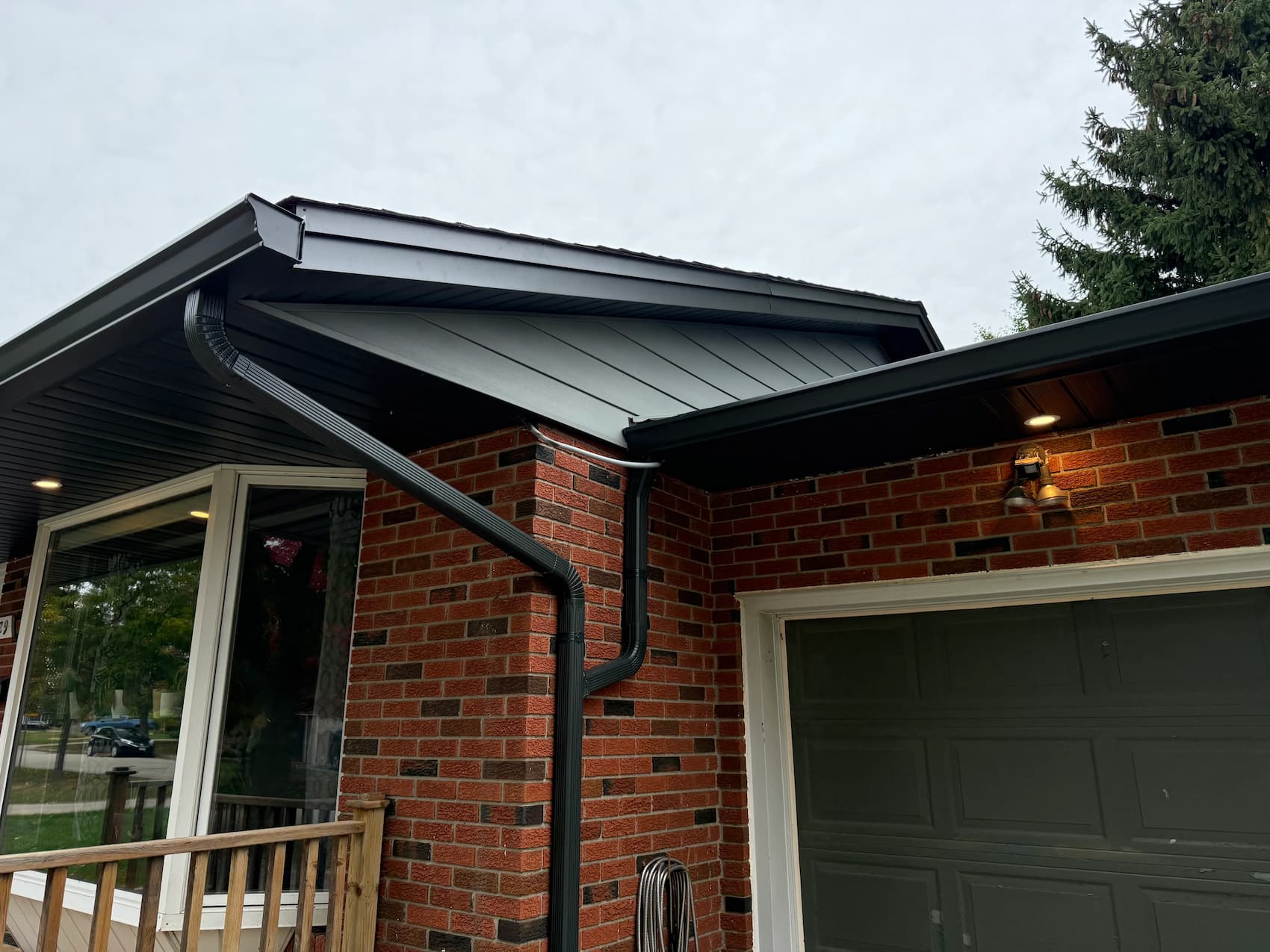
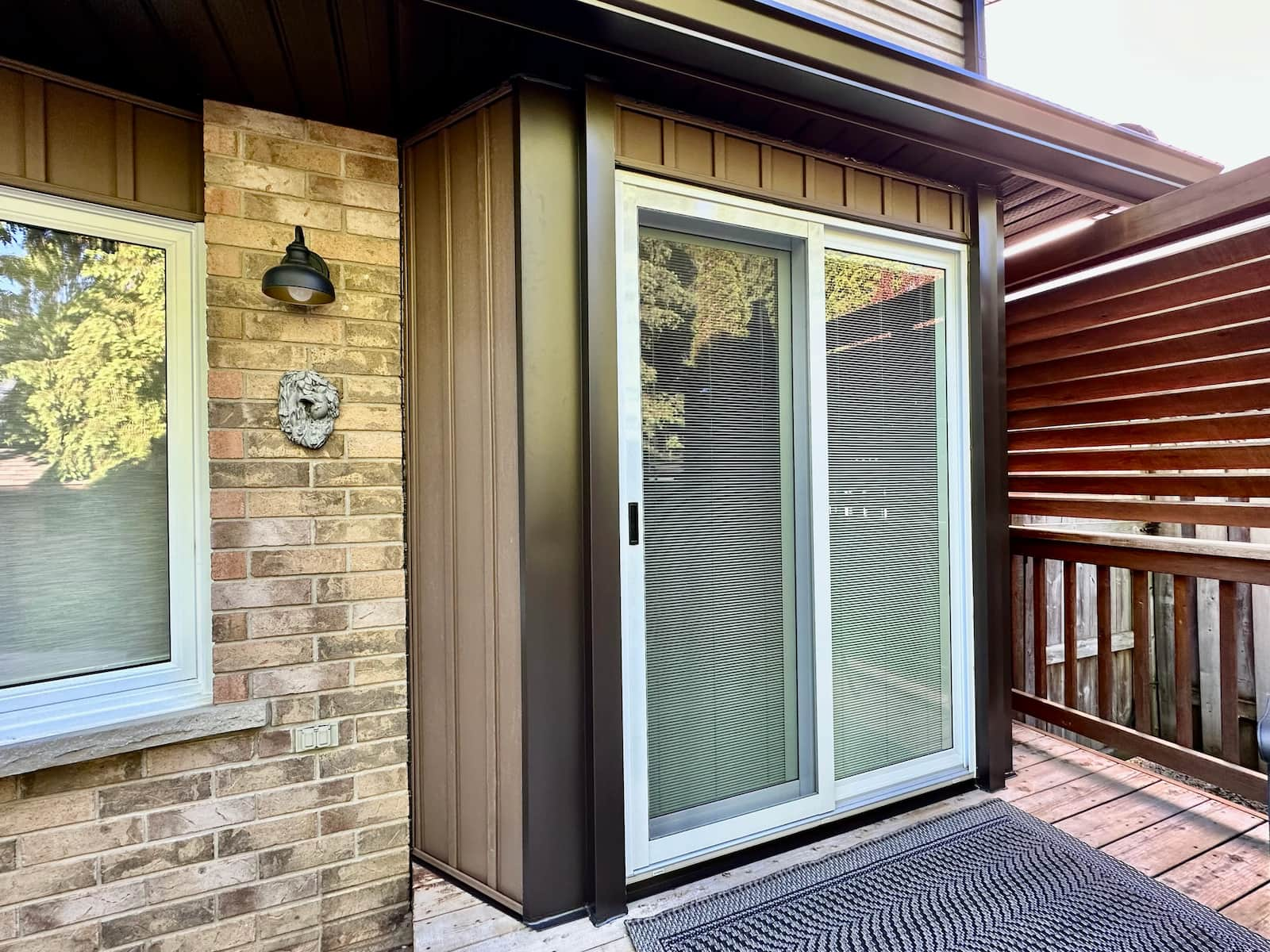
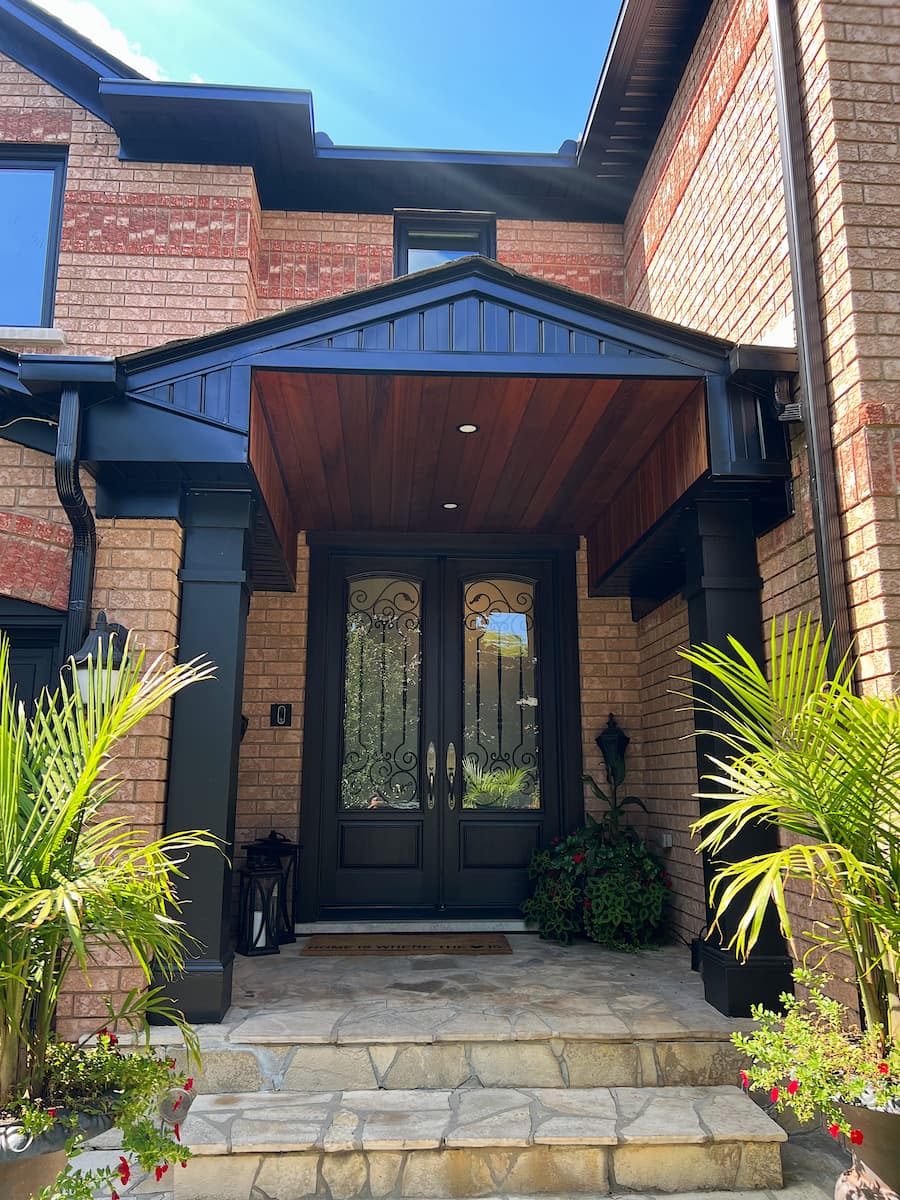
And sometimes the reason is simply appearance. New windows can make a big difference to how your home looks, especially when they’re paired with new siding or custom aluminum capping.
Should You Repair or Replace Your Windows?
Not every window problem means you need new windows. As a general rule:
A repair often makes sense when…
- The issue is worn weatherstripping or caulking
- A crank, lock, or other hardware has broken
- One glass unit has failed in an otherwise solid frame
- The frame is sound, square, and free of rot
Replacement often makes sense when…
- There are several problems at once
- Frames are rotting, warped, or leaking
- Seals have failed in multiple windows
- The windows are single-pane or very outdated
- You want better comfort, efficiency, or a new look
What to Look For in Replacement Windows
If replacement is the right call, these are the features worth comparing:
- Energy-performance ratings. Look for ENERGY STAR certified products and compare their ratings rather than relying on general claims.
- The glass package. Low-E coatings, insulating gas fills, and double- or triple-pane glass all affect comfort and efficiency. Triple-pane glass can be a great fit for Ontario winters, while a quality double-pane window may suit some homes and budgets.
- The frame. Insulated, multi-chamber vinyl frames with welded corners offer strength and low maintenance.
- The right style for each room. Casement windows seal tightly and ventilate well, sliders suit wider openings, and double-hung windows offer a classic look. Our window and door styles guide explains each option.
- Professional installation. Even a high-performance window won’t perform as intended if it isn’t properly installed, insulated, and sealed.
You can learn more about glass, frames, and hardware on our Windows & Doors page.
Retrofit vs. Full-Frame Replacement
There are two main ways to install replacement windows:
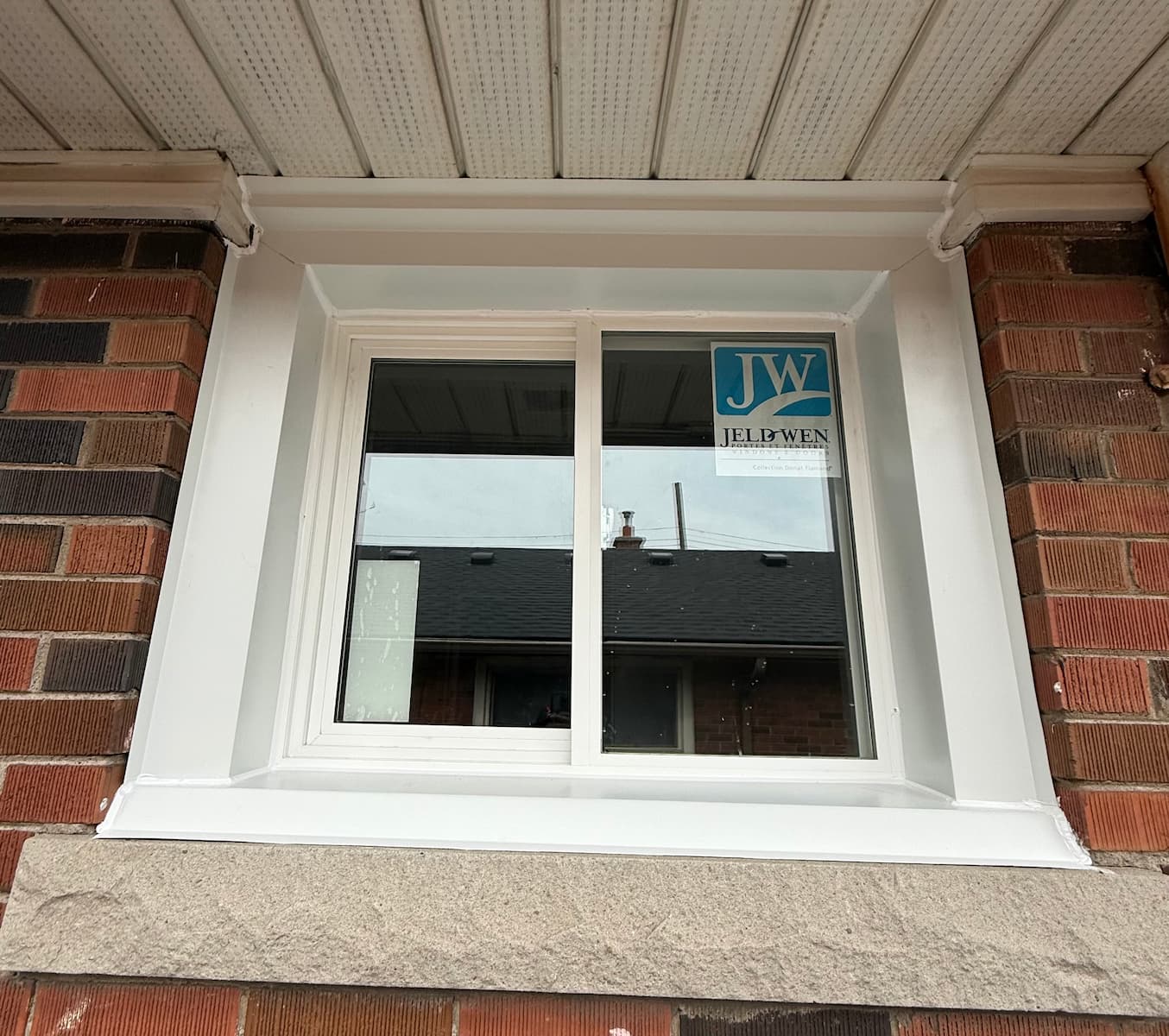
- Retrofit replacement installs a new window within a suitable existing frame or opening, keeping certain existing components. It can reduce disruption to the surrounding finishes when the existing frame is in good condition.
- Full-frame replacement removes the old window and frame down to the rough opening. It allows the surrounding structure to be inspected and repaired, and new insulation, flashing, and sealing to be installed.
Full-frame replacement is often recommended when there’s rot or water damage, while retrofit can work well when the existing frame is sound. We’ll assess your windows and explain which method suits your home.
Frequently Asked Questions
How long do windows usually last?
Many replacement windows last a couple of decades or more. The actual lifespan depends on the product quality, frame material, how well the window was installed, exposure to sun and weather, and maintenance.
Rather than going by age alone, look at how the windows are performing: drafts, failed seals, rot, and operating problems are better indicators that it’s time.
Can I replace just the glass instead of the whole window?
Sometimes. If the frame and sash are still in good condition, a failed insulated glass unit can often be replaced on its own.
If the frame is rotting, warped, or leaking, or if several windows have problems, replacing the whole window is usually the better long-term option.
Does condensation on my windows mean they need replacing?
It depends on where the condensation is. Moisture or fog trapped between the panes usually means the seal of the insulated glass unit has failed.
Condensation on the inside surface of the glass is often related to indoor humidity, especially in winter. Light condensation on the outside of the glass on cool mornings can happen with energy-efficient windows and isn’t usually a problem.
Can windows be replaced in the winter?
Yes. With proper planning and cold-weather installation methods, windows can be replaced during Ontario’s winter months. Each opening is only exposed for a limited time while the new window is installed, insulated, and sealed.
Should I replace all my windows at once?
Not necessarily. Replacing several windows at once gives a consistent look and may reduce repeated setup costs, but replacing them in stages can make sense if only some windows have problems. Start with the ones that have the worst drafts, failed seals, or water damage.